




SIIT
FF 2025

Reusability Assessment of Structural Steel in Existing Buildings

Fundamental Fund (FF) 2025

This study proposes a mixed-methods framework—combining Nondestructive Testing (NDT), Destructive Testing (DT), and expert surveys—to standardize the reusability assessment of structural steel. Validated on a 19-year-old, 1,900 m² warehouse in Thailand, NDT revealed structural irregularities caused by environmental wear and aggressive demolition. Subsequent DT tensile testing (benchmarked against ASTM, TIS, and Eurocode 3) confirmed that five major structural sections retained standard mechanical properties, whereas slender cold-formed sections failed due to severe geometric thinning. Ultimately, this framework provides actionable guidelines to advance sustainable infrastructure and Circular Economy adoption in Thailand.

Reusability Assessment of Structural Steel in Existing Buildings

Background

Thailand's construction sector relies heavily on imported, virgin steel (>60%), contributing significantly to the nation's ~248 million tons of CO2 emissions in 2024. Although reusing structural steel can cut carbon emissions by 80% and drive circular economy practices, widespread adoption is hindered by a critical lack of standardized assessment frameworks and criteria. To bridge this gap, this study evaluates salvaged steel from a demolished three-story warehouse in Thailand to develop a comprehensive, systematic framework for assessing structural steel reusability.

Objectives

  • To review Thai and international standards to identify current methodologies for assessing structural steel reusability
  • To evaluate salvaged steel from the real-world existing building to develop practical assessment procedures
  • To establish a comprehensive, standardized framework for structural steel reusability assessment

Literature Review

No data available for this section yet

Methodology

As illustrated in Fig. 1, this study follows a five-phase methodology. It begins with a literature review to identify current standards and research gaps, followed by case study selection to uncover real-world assessment obstacles. Material data is then gathered through non-destructive (NDT) and destructive (DT) testing. These findings drive the development of a systematic structural steel reusability framework, culminating in practical, actionable recommendations for industry decision-makers.

Fig. 1 — Five-phase research methodology

1. Case Study Selection

The case study was selected to investigate practical constraints and provide a better understanding of the reusability potential of reclaimed structural steel members.

General building information and Structural system

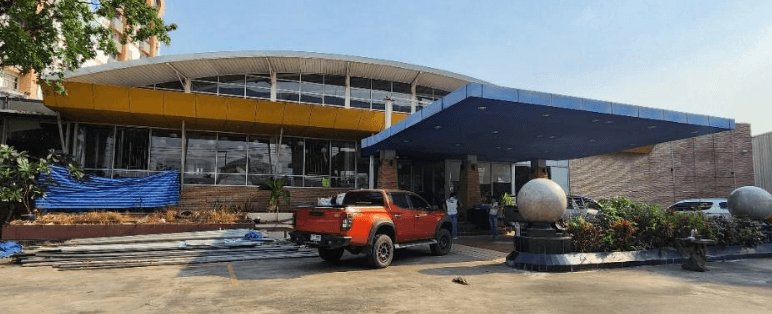
The selected case study is a 1,900 m², 3-story warehouse in Thonburi, Bangkok demolished in 2026 after a 19-year service life. Functionally divided into open-span, partitioned, and service zones, the building utilizes a composite structural system where loads from welded secondary steel roof trusses are supported by a primary reinforced concrete (RC) framework.

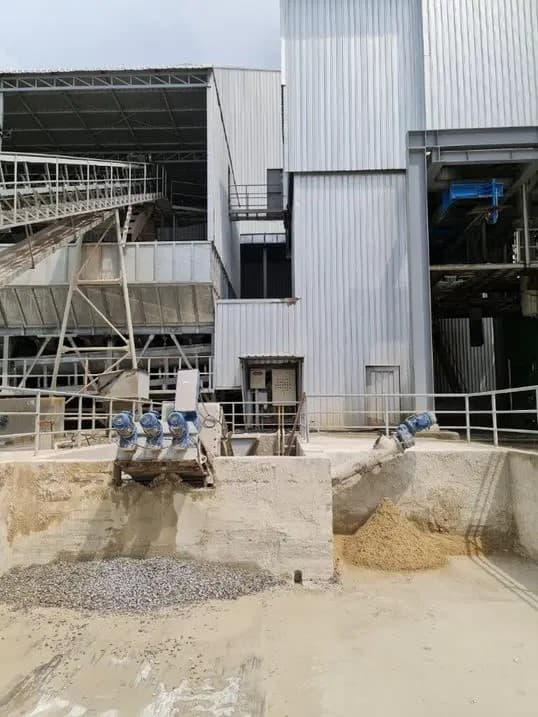
Fig. 2 — Front view of the warehouse

2. Data Collection and Material Testing

Following the case study selection, data collection involved using a criteria checklist handbook to identify reusable structural members and observing their demolition and disassembly. Material evaluation was conducted in two phases:

  • Non-Destructive Testing (NDT): Included visual inspections for environmental degradation (cracks, corrosion, surface condition) alongside caliper thickness and coating thickness measurements.
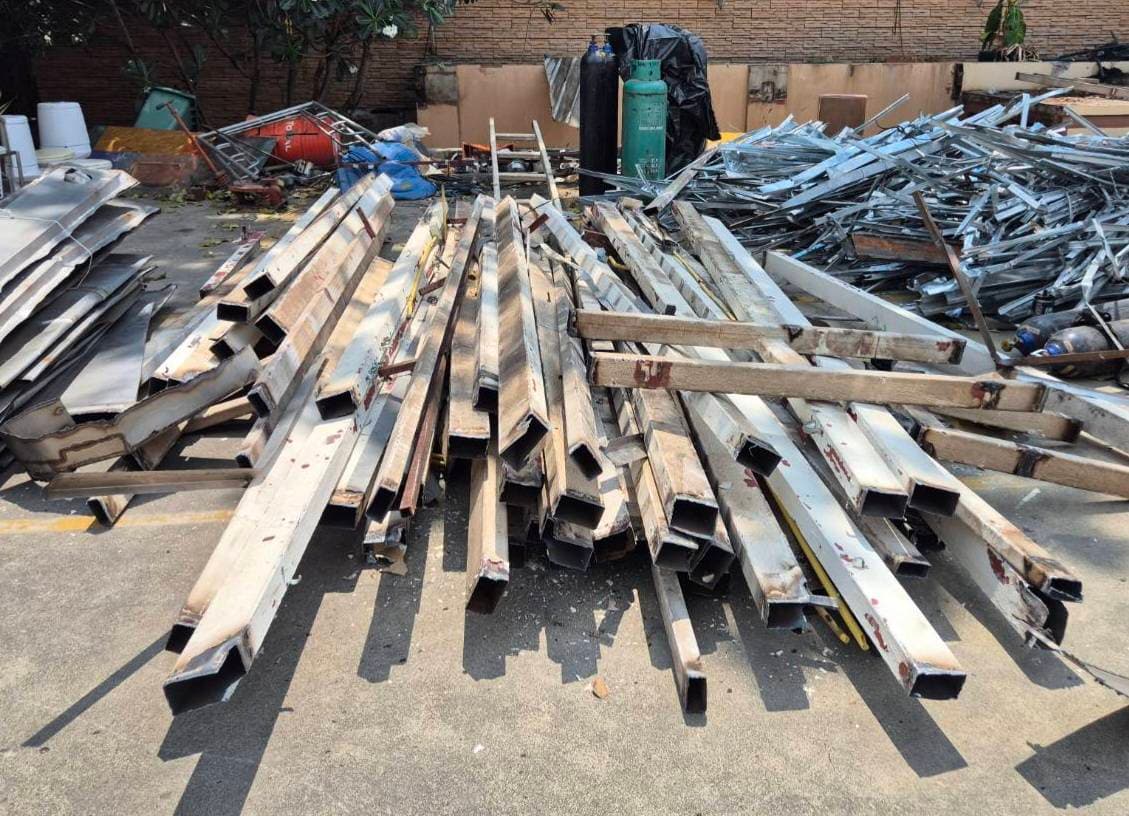
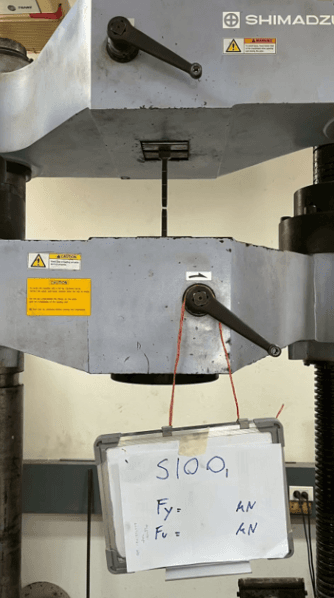
  • Destructive Testing (DT): 6 samplings as shown in Fig. 1 were performed at the SIIT Concrete Laboratory using a Universal Testing Machine to determine the yield and ultimate tensile strength of the extracted steel members.
Fig. 3 — Samplings
Fig. 3 — Samplings
Fig. 3 — Testing with the Universal Testing Machine

Results

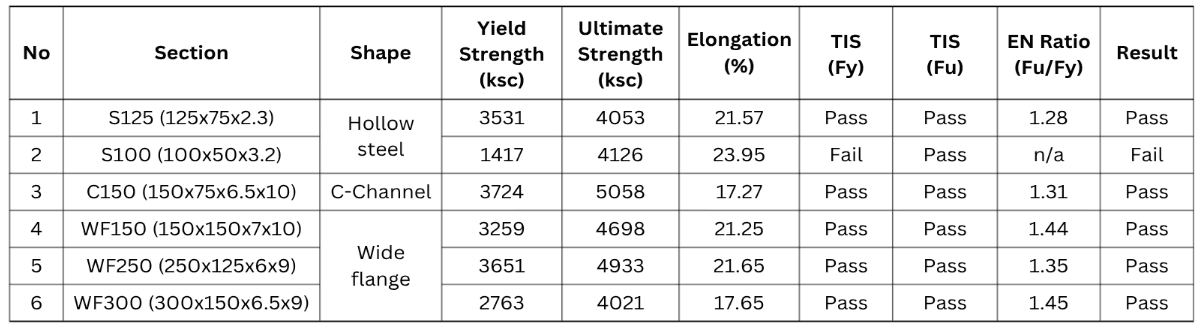
As shown in Table 1, five of the six steel sections met both TIS 1227-2558 and EN1993-1-1 standards, confirming adequate strength and ductility for structural reuse. However, the slender S100 section failed; its geometry prevented the testing machine from recording an accurate yield strength, making standard ratios incalculable. Consequently, S100 is unsuitable for primary structures and should be strictly restricted to low-load applications.

Table 1 — Testing results

Analysis

No data available for this section yet

Recommendations

No data available for this section yet

Conclusion

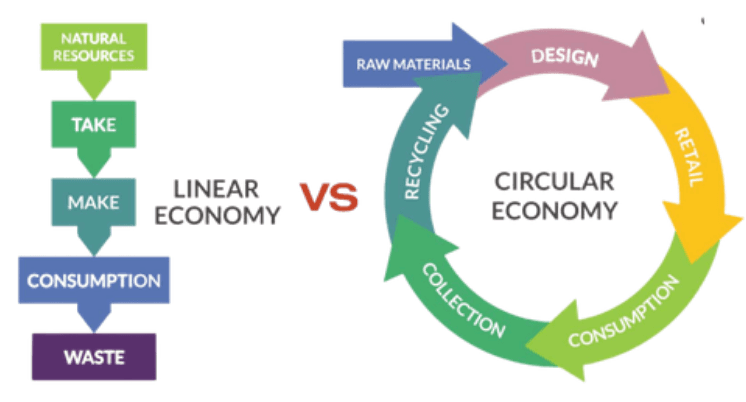
This study bridges critical gaps in Thailand's transition from a linear construction model to a sustainable circular economy. By demonstrating the feasibility of structural steel reuse through a practical case study, this research validates its immediate and long-term viability. Ultimately, this research strongly advocates for the widespread reuse of salvaged structural steel, urging the development and enforcement of robust technical, physical, and regulatory standards to ensure safe implementation and legal acceptance.

Research Team

Related Research

SIIT

Assessment of Material Reusability for Existing Buildings to Achieve Circular Economy in Construction

Fundamental Fund (FF) 2026

Assessment of Material Reusability for Existing Buildings to Achieve Circular Economy in Construction

The Thai construction industry's reliance on a linear "take, make, dispose" model drives significant resource depletion and waste. Transitioning to Circular Economy (CE) by reusing and upcycling building materials is essential to meet global Sustainable Development Goals (SDGs 8.4, 12.2, 12.5). However, widespread material reuse is hindered by technical, economic, and regulatory barriers, including high deconstruction costs, lack of certification standards, and uncertain cost-benefit outcomes. Furthermore, current research primarily focuses on downcycling (e.g., crushing concrete) rather than systematically assessing the pre-deconstruction reusability of structural components. To address this gap, this study develops a comprehensive framework to assess building material reusability prior to demolition. By analyzing material quality, extraction methods, and insights from expert interviews, this research provides actionable guidelines to optimize resource efficiency and accelerate CE adoption in Thailand.
Study on the Implementation of Circular Economy within the Thai Construction Industry Supply Chain via Digital Technology Integration

Fundamental Fund (FF) 2025

Study on the Implementation of Circular Economy within the Thai Construction Industry Supply Chain via Digital Technology Integration

Full project details will be published soon.

Reusability Assessment of Materials and Components of Existing Buildings

Fundamental Fund (FF) 2025

Reusability Assessment of Materials and Components of Existing Buildings

This study explores the potential for reusing materials from end-of-life buildings in Thailand under the Circular Economy framework. Through stakeholder interviews, the research identifies key barriers to adoption, including the absence of legal frameworks, insufficient economic incentives, and low consumer trust. To overcome these challenges, the study proposes actionable recommendations—such as establishing reuse-specific legislation, promoting Design for Disassembly, and offering financial incentives—to transition material reuse from isolated efforts into a standardized, sustainable practice across the Thai construction industry.