


SIIT
FF 2025

Reusability Assessment of Materials and Components of Existing Buildings

Fundamental Fund (FF) 2025

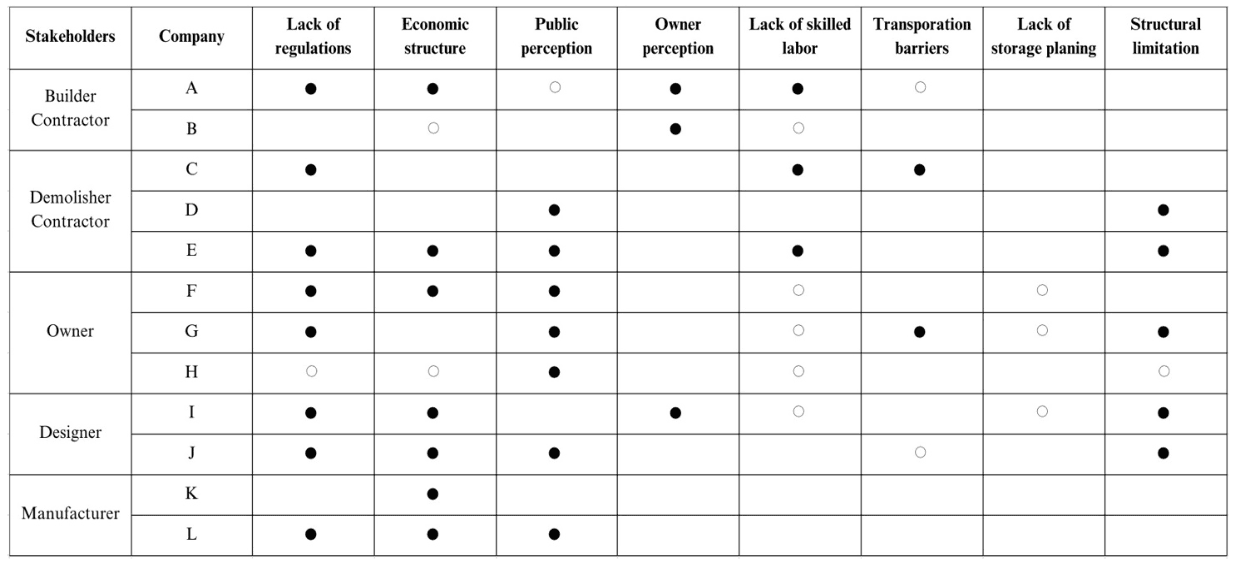
This study explores the potential for reusing materials from end-of-life buildings in Thailand under the Circular Economy framework. Through stakeholder interviews, the research identifies key barriers to adoption, including the absence of legal frameworks, insufficient economic incentives, and low consumer trust. To overcome these challenges, the study proposes actionable recommendations—such as establishing reuse-specific legislation, promoting Design for Disassembly, and offering financial incentives—to transition material reuse from isolated efforts into a standardized, sustainable practice across the Thai construction industry.

Reusability Assessment of Materials and Components of Existing Buildings

Background

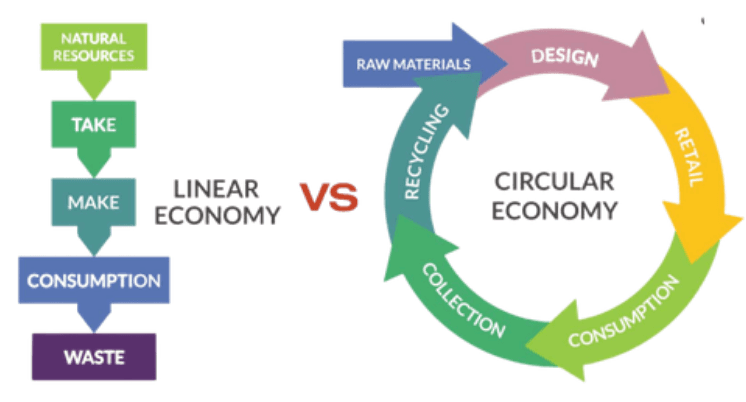
The global construction sector is responsible for over a third of greenhouse gas emissions and immense waste generation. Transitioning to Circular Economy (CE)—specifically by reusing core materials like concrete and steel—is essential to replace resource-depleting linear models, lower emissions, and advance sustainable development. Despite the clear environmental benefits of material reuse, Thailand's CE adoption lags significantly behind international benchmarks. The absence of standardized, globally accepted assessment frameworks and legal guidelines in Thailand has led to highly inconsistent and inefficient material reuse practices across the industry.

Objectives

  • Analyze current strategies and initiatives for reusing construction materials from existing buildings in Thailand
  • Evaluate the Thai construction industry's understanding and readiness regarding material reusability
  • Develop actionable recommendations to drive the industry toward sustainable construction practices

Literature Review

No data available for this section yet

Methodology

A qualitative approach was utilized to gather deep industry insights regarding the current practices, obstacles, and future plans for building material reuse. Semi-structured interviews were developed to provide flexible yet consistent exploration of key themes, including assessment methods, reuse processes, and storage practices. The study targeted four primary stakeholder groups within Thailand's civil engineering sector: contractors, designers, manufacturers, and project owners. A cross-case analysis was conducted to compare the qualitative data across these stakeholder groups, highlighting variations and commonalities in implementation and challenges.

Results

Black dots = high-impact obstacles, White dots = low-impact obstacles

Analysis

No data available for this section yet

Recommendations

No data available for this section yet

Conclusion

No data available for this section yet

Research Team

Related Research

SIIT

Assessment of Material Reusability for Existing Buildings to Achieve Circular Economy in Construction

Fundamental Fund (FF) 2026

Assessment of Material Reusability for Existing Buildings to Achieve Circular Economy in Construction

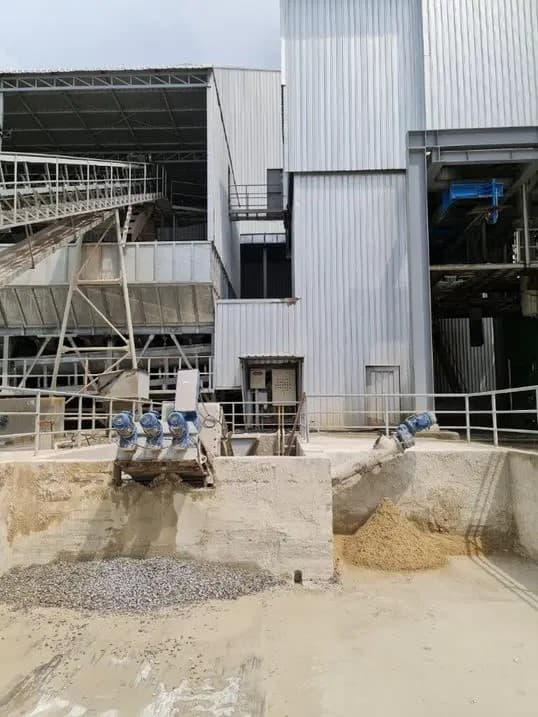
The Thai construction industry's reliance on a linear "take, make, dispose" model drives significant resource depletion and waste. Transitioning to Circular Economy (CE) by reusing and upcycling building materials is essential to meet global Sustainable Development Goals (SDGs 8.4, 12.2, 12.5). However, widespread material reuse is hindered by technical, economic, and regulatory barriers, including high deconstruction costs, lack of certification standards, and uncertain cost-benefit outcomes. Furthermore, current research primarily focuses on downcycling (e.g., crushing concrete) rather than systematically assessing the pre-deconstruction reusability of structural components. To address this gap, this study develops a comprehensive framework to assess building material reusability prior to demolition. By analyzing material quality, extraction methods, and insights from expert interviews, this research provides actionable guidelines to optimize resource efficiency and accelerate CE adoption in Thailand.
Study on the Implementation of Circular Economy within the Thai Construction Industry Supply Chain via Digital Technology Integration

Fundamental Fund (FF) 2025

Study on the Implementation of Circular Economy within the Thai Construction Industry Supply Chain via Digital Technology Integration

Full project details will be published soon.

Reusability Assessment of Structural Steel in Existing Buildings

Fundamental Fund (FF) 2025

Reusability Assessment of Structural Steel in Existing Buildings

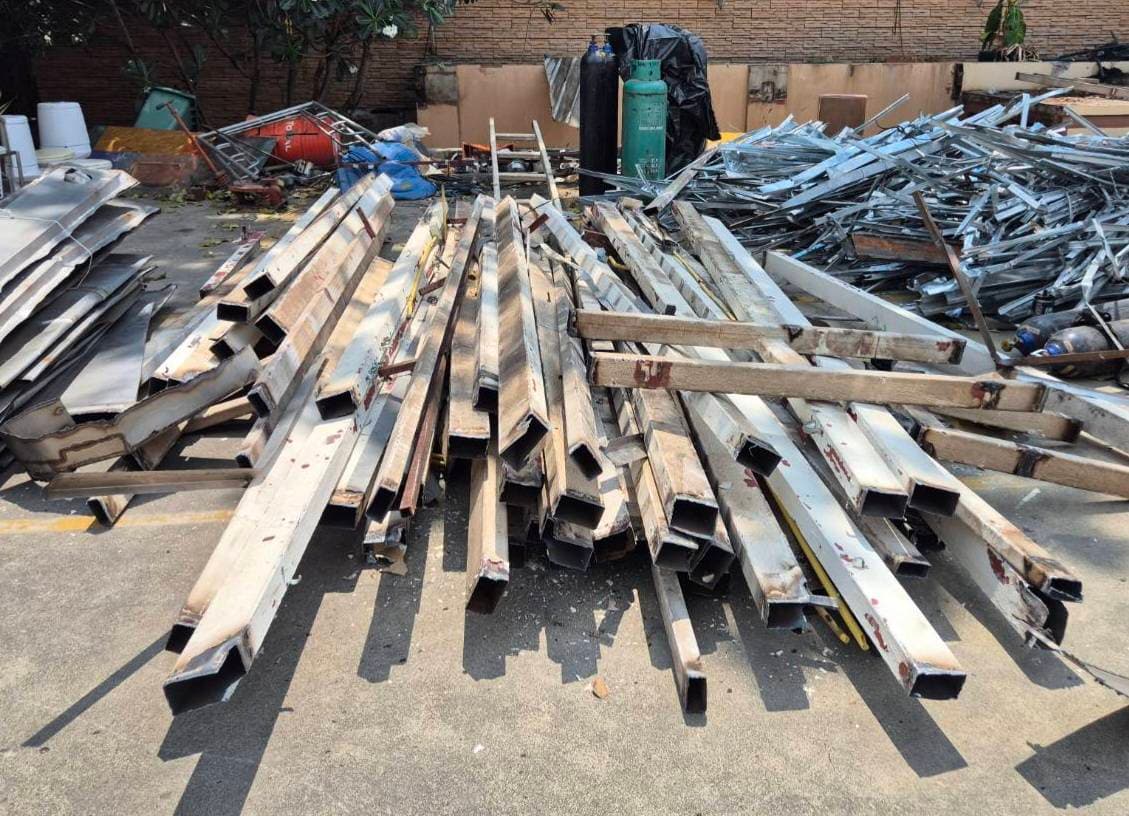
This study proposes a mixed-methods framework—combining Nondestructive Testing (NDT), Destructive Testing (DT), and expert surveys—to standardize the reusability assessment of structural steel. Validated on a 19-year-old, 1,900 m² warehouse in Thailand, NDT revealed structural irregularities caused by environmental wear and aggressive demolition. Subsequent DT tensile testing (benchmarked against ASTM, TIS, and Eurocode 3) confirmed that five major structural sections retained standard mechanical properties, whereas slender cold-formed sections failed due to severe geometric thinning. Ultimately, this framework provides actionable guidelines to advance sustainable infrastructure and Circular Economy adoption in Thailand.