
SIIT
GCRF 2024

Digitalisation Towards Circular Economy in Construction and Built Environment

Global Challenges Research Fund (GCRF) 2024, UK

According to the World Economic Forum, it is necessary for organizations and businesses to become fully digital to create truly Circular Economy. This networking research focuses on understanding the readiness of ASEAN SMEs in the adoption of Digital Transformation (DT) to support the creation of Circular Economy. A maturity model for measuring digital transformation towards Circular Economy is developed through contributions from core partners and collaborators, serving as a commonly agreed benchmark among ASEAN members and a roadmap towards digital-enabled sustainable development.

Digitalisation Towards Circular Economy in Construction and Built Environment

Background

According to the World Economic Forum, it is necessary for organizations and businesses to become fully digital to create truly Circular Economy. DT plays an important role in the transition towards Circular Economy by optimizing forward material flows and enabling reverse material flows. However, for ASEAN SMEs, the introduction of DT can be challenging as they have generally limited resources and necessary cognitive assets. This networking research will focus on understanding the readiness of ASEAN SMEs in the adoption of DT to support the creation of Circular Economy. In doing so, a maturity model for measuring digital transformation towards Circular Economy will be developed through the contributions from the core partners and collaborators. The proposed maturity model will serve as a commonly agreed benchmark among ASEAN members to quantify the readiness of their SMEs in utilizing DT to create Circular Economy, and a roadmap of them towards digital-enabled sustainable development.

Objectives

  • To understand the circular economy implementations among SMEs in the UK and Thailand
  • To understand situations and to identify key challenges and opportunities of the circular economy implementations
  • To disseminate the model and gain their feedback through a questionnaire survey to verify and finalize the model
  • To conclude the project and to plan for future collaborations

Literature Review

No data available for this section yet

Methodology

  1. Field research to collect data about the metrics and definitions of the maturity model, including shadowing case study, questionnaire survey and interview with SMEs
  2. Policy studies to review and evaluate the existing codes and standards from ASEAN members related to digital transformation of Circular Economy, and further to propose suggestions for policy decision-makers

Results

  1. Implementing and developing the maturity model in other ASEAN members
  2. Jointly applying for other sustainable grants to extend this network established and its impact
  3. Research outputs and knowledge transfer, including publications, patents, and academic visiting activities

Analysis

No data available for this section yet

Recommendations

No data available for this section yet

Collaboration with Universities and Institutes

  1. Loughborough University (UK)
  2. Brunel University London (UK)
  3. SIIT, Thammasat University (Pathum Thani, Thailand)
  4. National Science and Technology Development Agency — NSTDA (Pathum Thani, Thailand)

Knowledge Transfer from Industrial Sectors

  1. ARUP (UK)
  2. EMR Metal Recycling (UK)
  3. SKANSKA (UK)
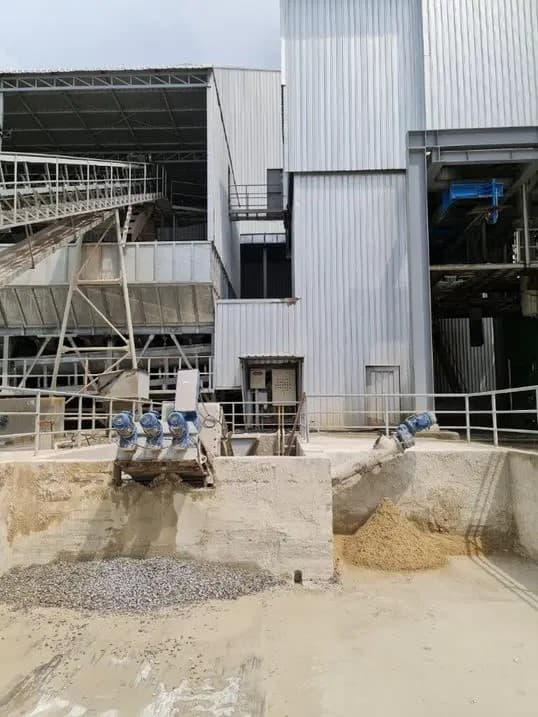
  4. SCG 3D Concrete Printing Concrete Factory (Saraburi, Thailand)
  5. MQDC's Forestias (Bangkok, Thailand)

Research Collaboration Activities

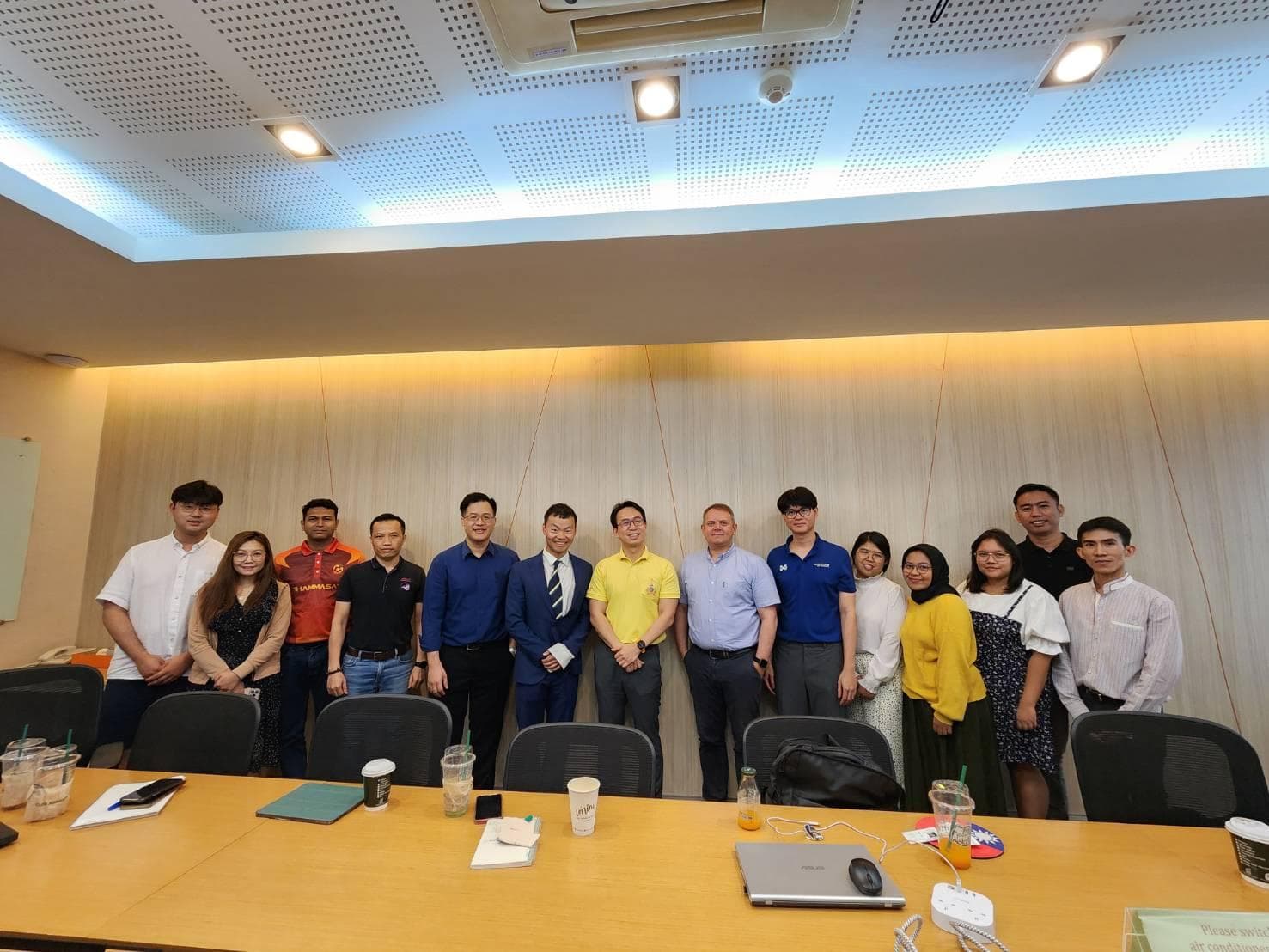
Meeting between faculty members and graduate students of SIIT, Loughborough University and Brunel University London
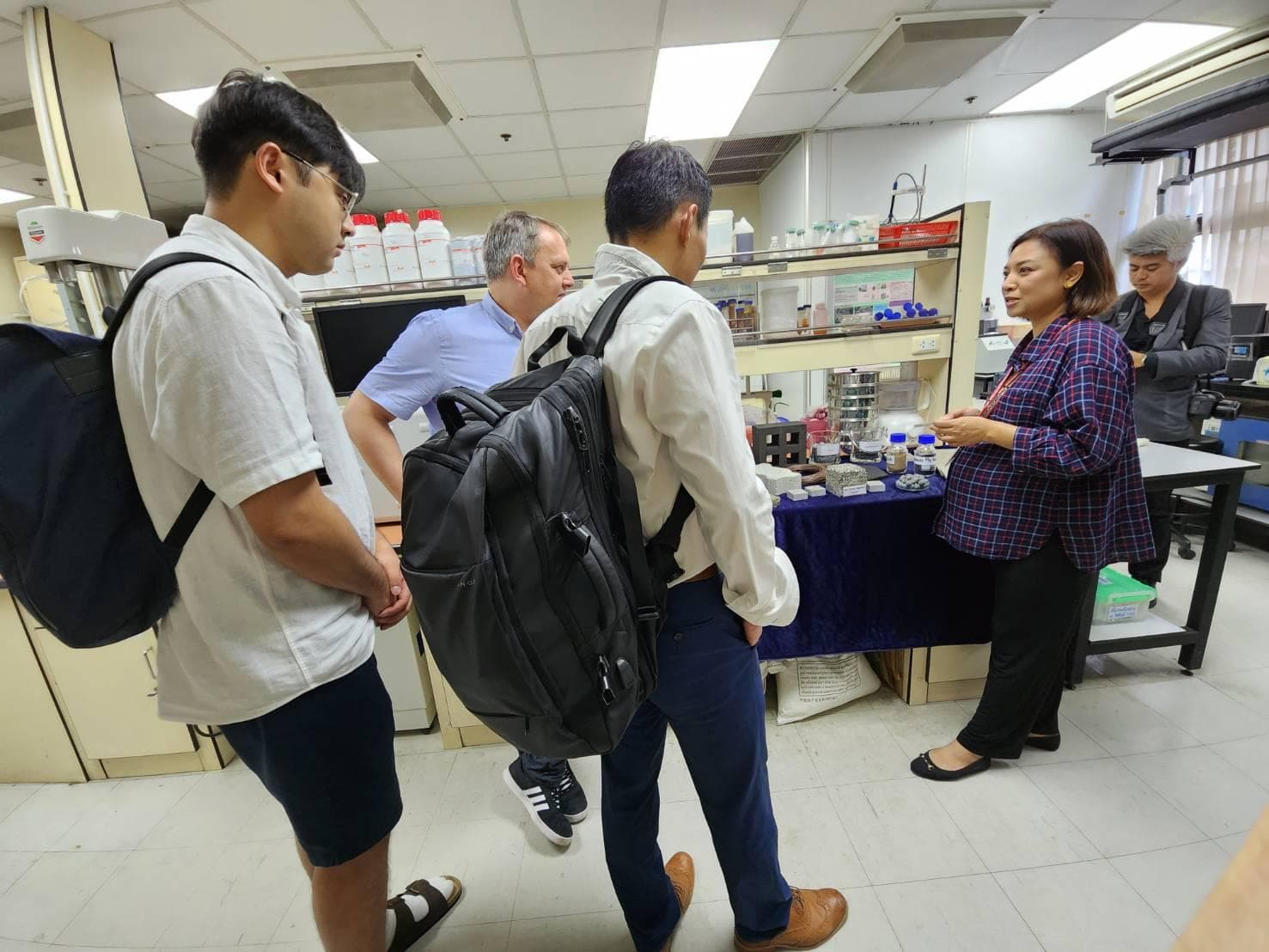
Site visit at NSTDA
Site visit at NSTDA
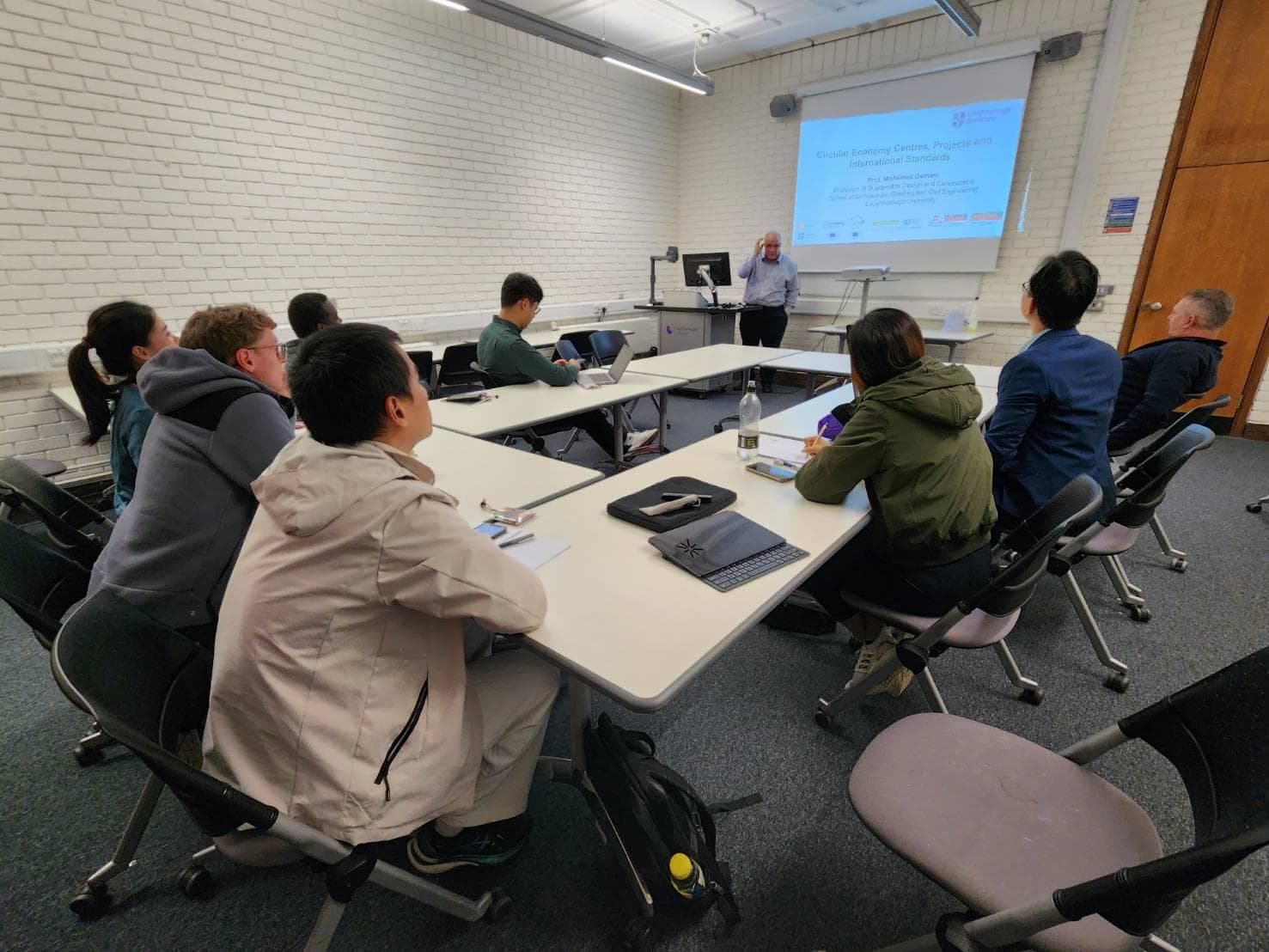
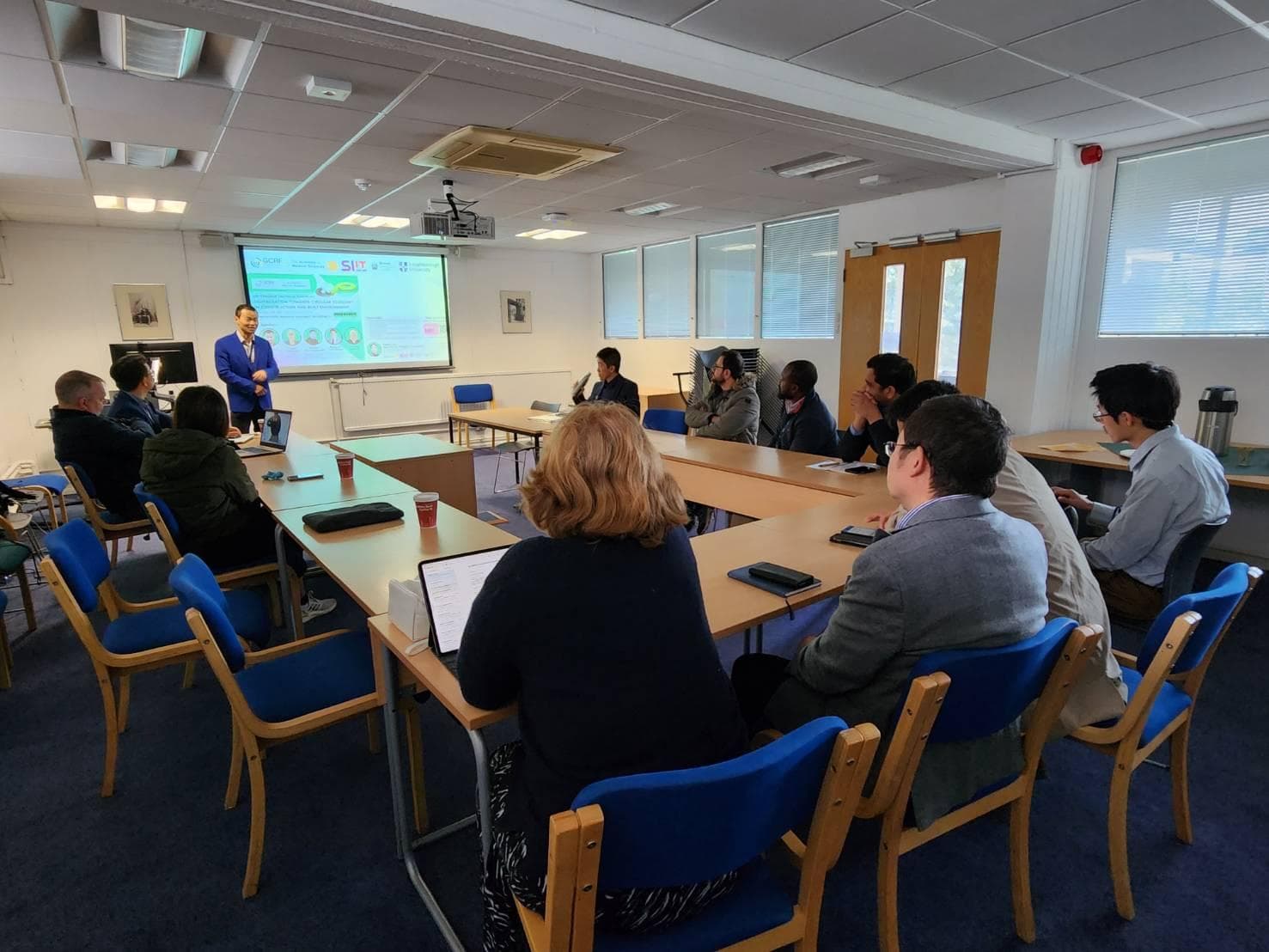
Meeting with staff and research students from the School of Architecture, Building, and Civil Engineering (ABCE) at Loughborough University
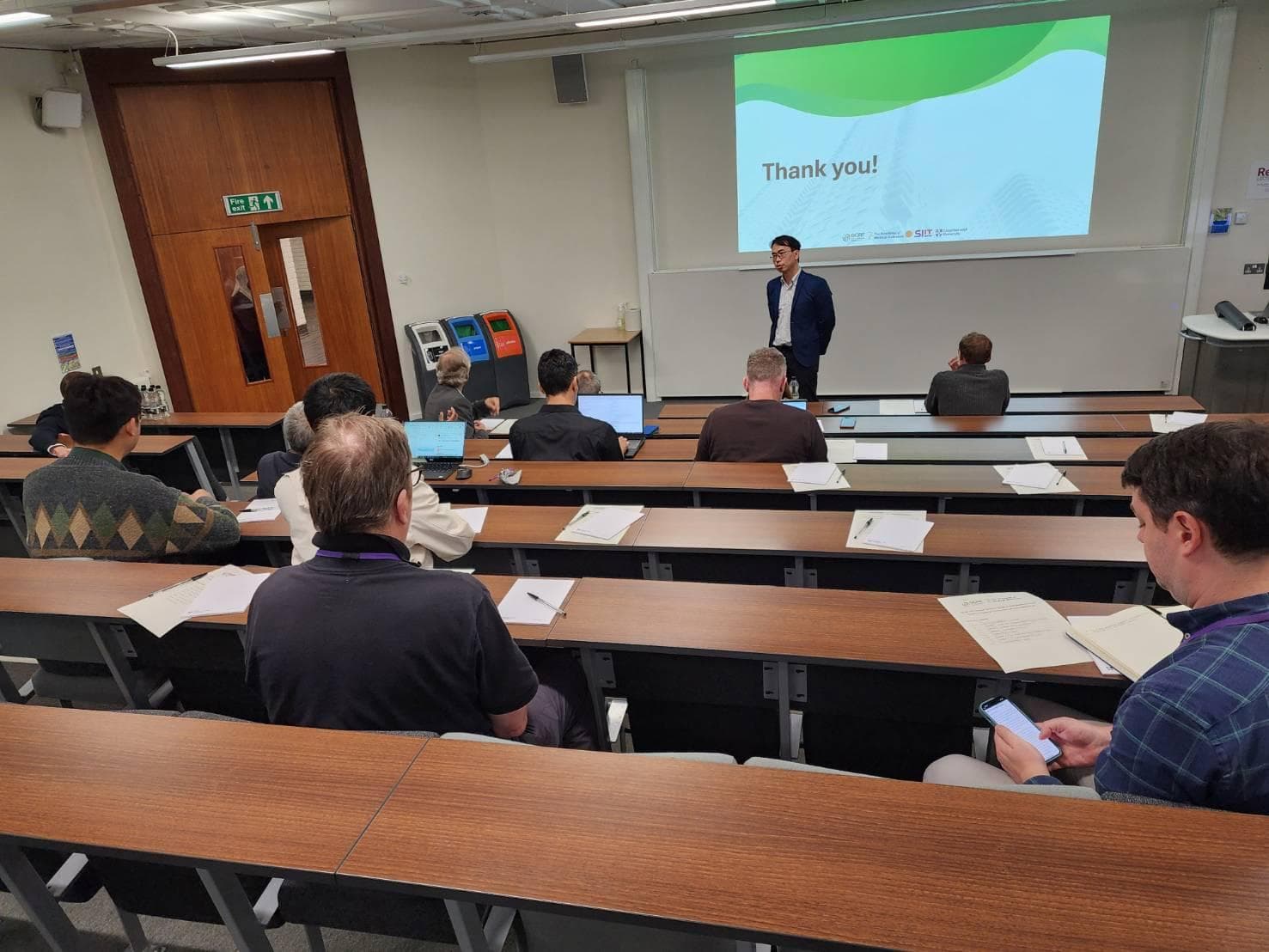
GCRF UK-Thailand Technical Forum at Loughborough University
Meeting with staff and research students at Brunel University London
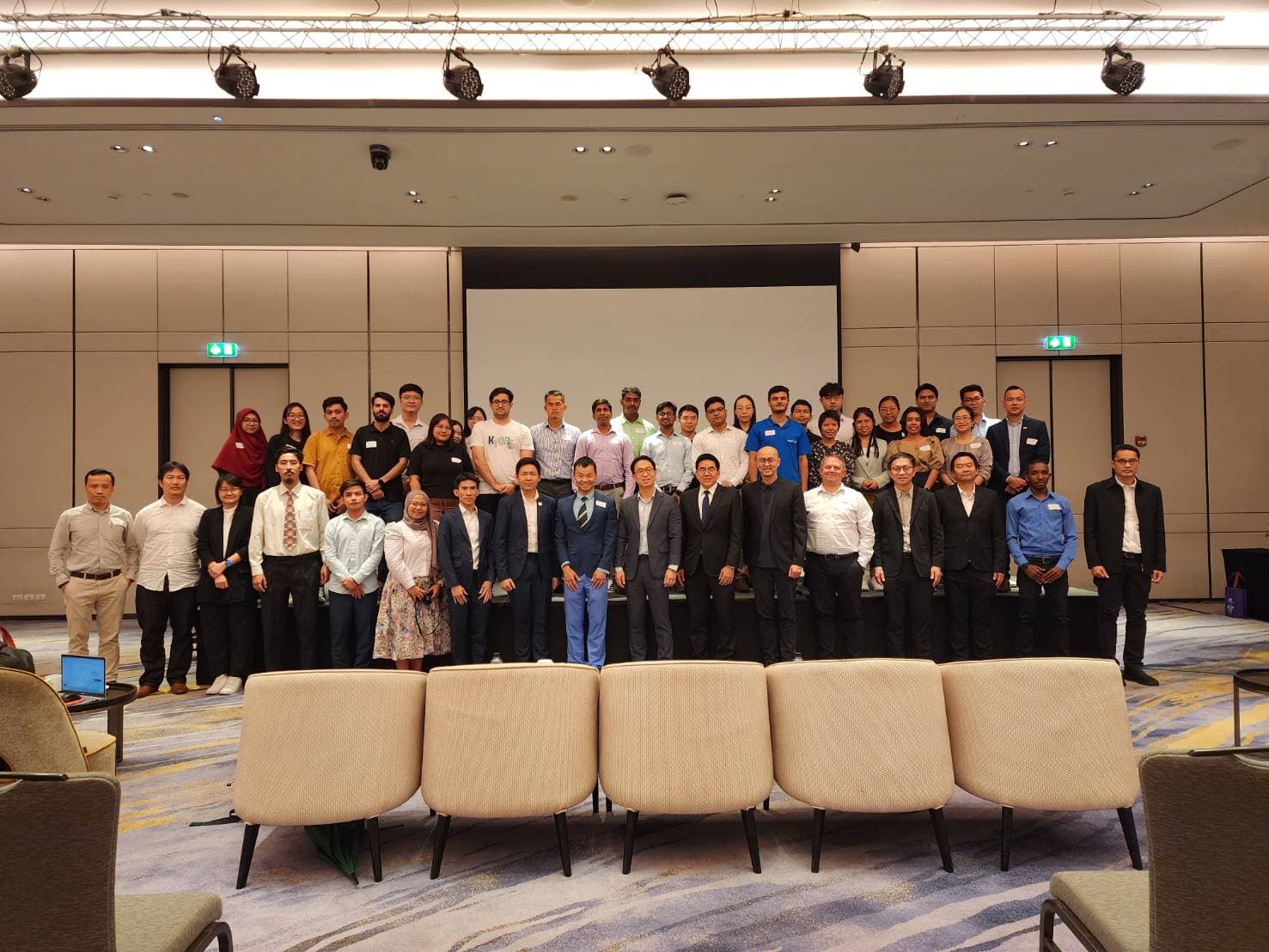
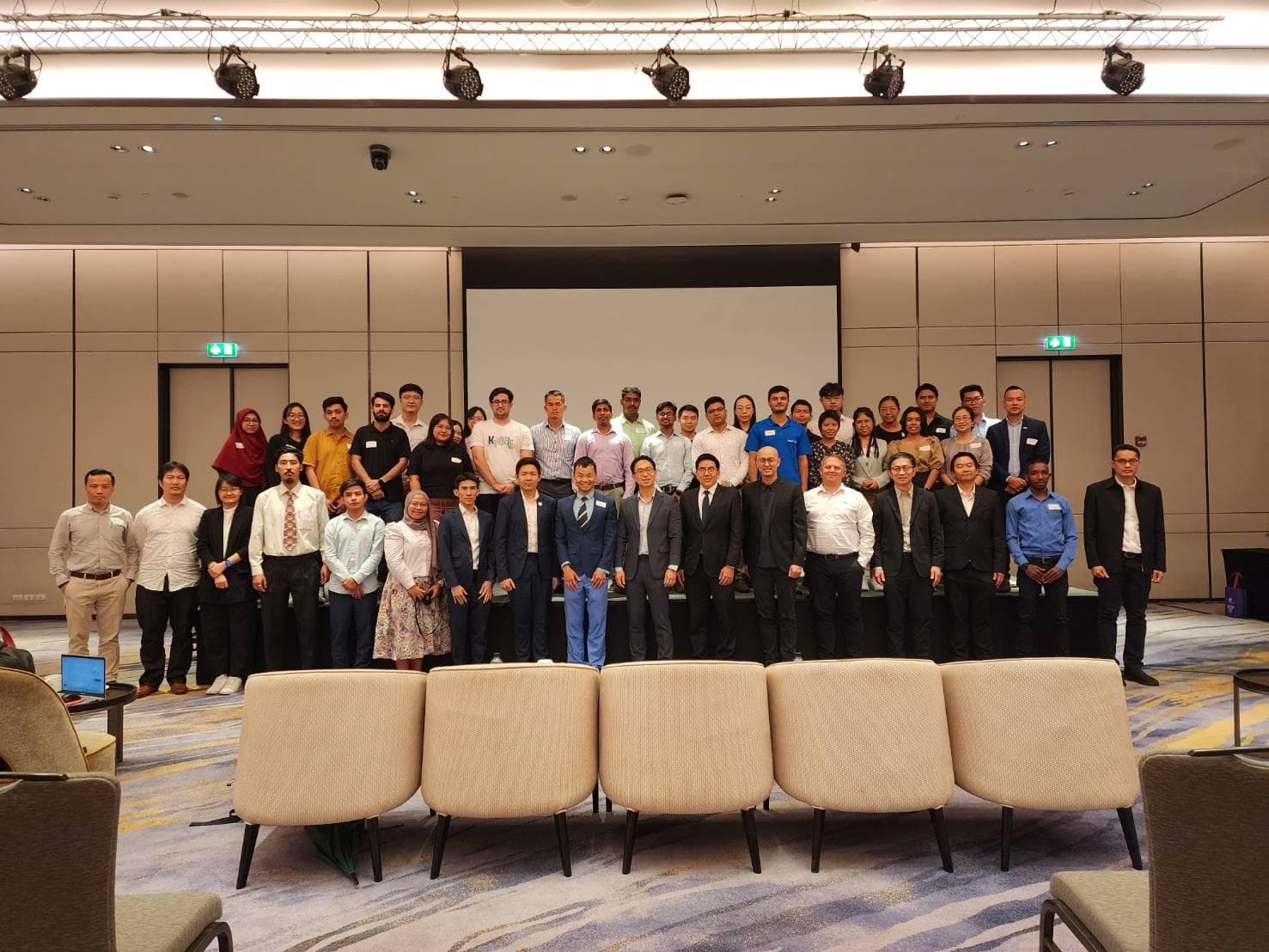
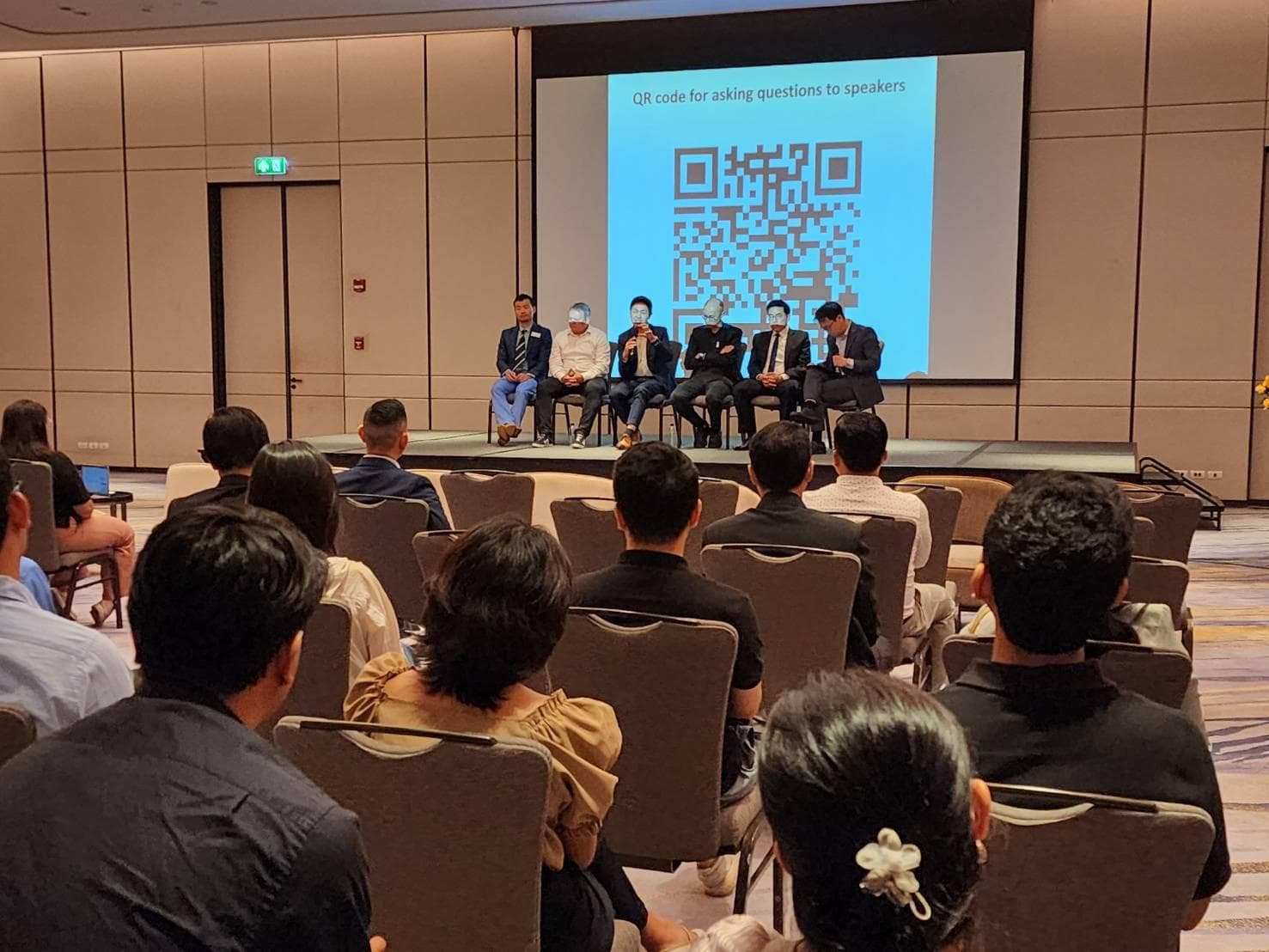
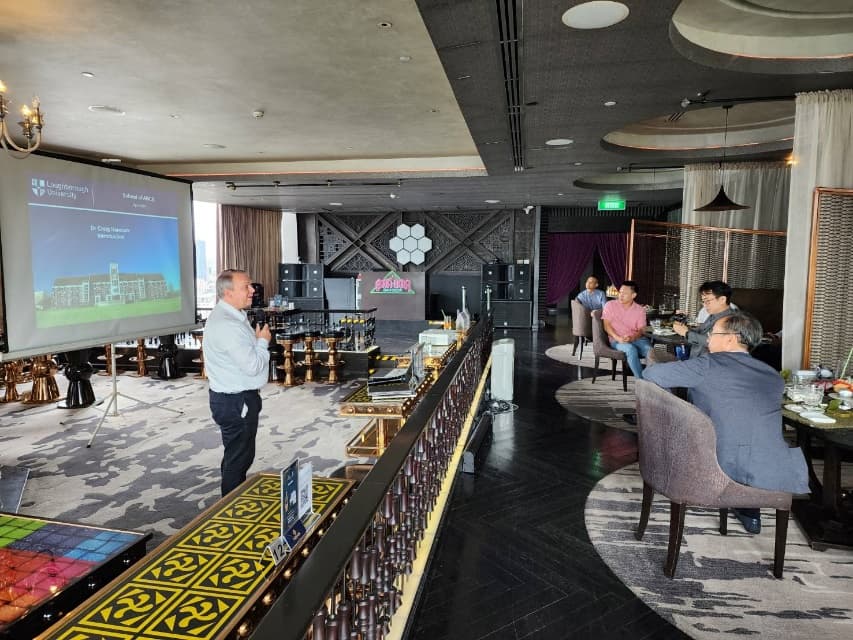
GCRF UK-Thailand Technical Forum in Bangkok, Thailand
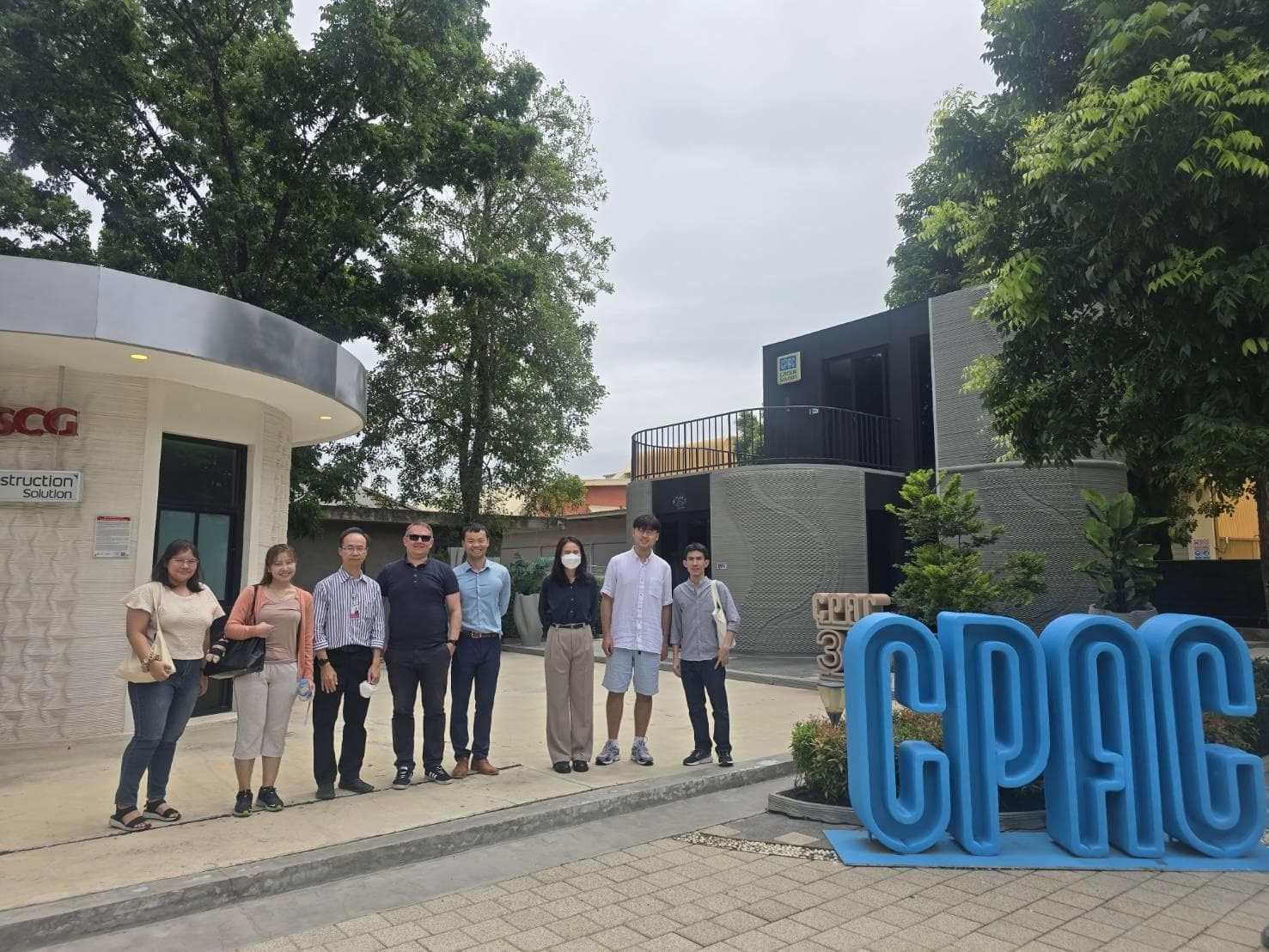
Site visit at Siam Cement Group (SCG) 3D Concrete Printing Facility
Site visit at the Forestias
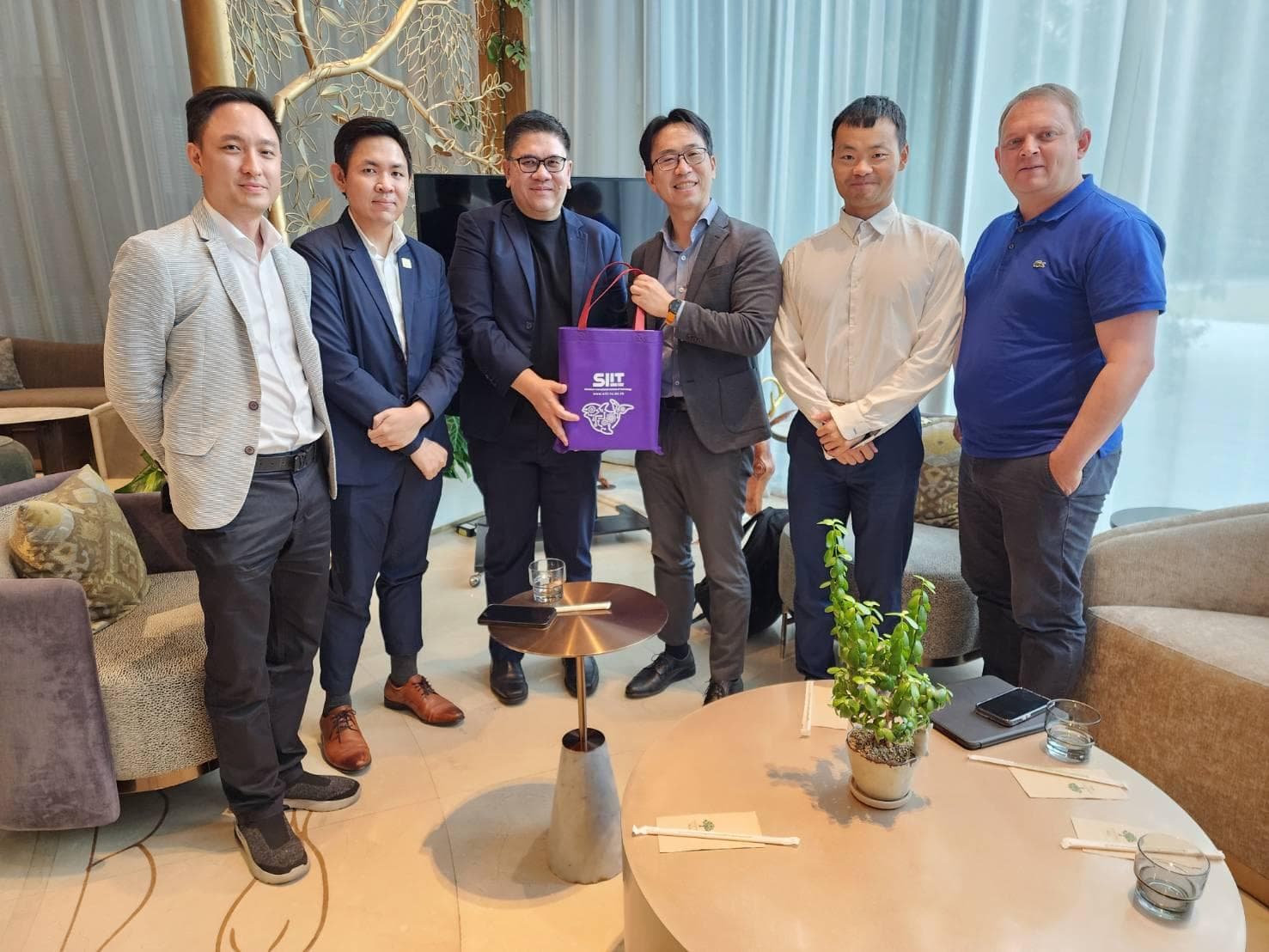
GCRF Core team meeting and GCRF networking lunch

Conclusion

The research exchange program focused on advancing Circular Economy within the construction industry through collaboration between Thai and UK institutions, primarily Sirindhorn International Institute of Technology (SIIT), Loughborough University, and Brunel University London. The activities spanned institutional meetings, laboratory tours, technical workshops, and site visits to prominent companies and projects like Skanska, ARUP, SCG, and MQDC's Forestias. These engagements facilitated extensive knowledge transfer regarding digital transformation, 3D concrete printing, Material Passports, and steel reusability, ultimately aiming to assess and improve the readiness of SMEs in both regions to adopt circular economy practices. The program successfully established a strong foundation for ongoing research collaborations, bridging the gap between academic innovation and practical industrial application to support digital-enabled sustainable development in the construction sector.

Research Team

Related Research

SIIT

Assessment of Material Reusability for Existing Buildings to Achieve Circular Economy in Construction

Fundamental Fund (FF) 2026

Assessment of Material Reusability for Existing Buildings to Achieve Circular Economy in Construction

The Thai construction industry's reliance on a linear "take, make, dispose" model drives significant resource depletion and waste. Transitioning to Circular Economy (CE) by reusing and upcycling building materials is essential to meet global Sustainable Development Goals (SDGs 8.4, 12.2, 12.5). However, widespread material reuse is hindered by technical, economic, and regulatory barriers, including high deconstruction costs, lack of certification standards, and uncertain cost-benefit outcomes. Furthermore, current research primarily focuses on downcycling (e.g., crushing concrete) rather than systematically assessing the pre-deconstruction reusability of structural components. To address this gap, this study develops a comprehensive framework to assess building material reusability prior to demolition. By analyzing material quality, extraction methods, and insights from expert interviews, this research provides actionable guidelines to optimize resource efficiency and accelerate CE adoption in Thailand.
Study on the Implementation of Circular Economy within the Thai Construction Industry Supply Chain via Digital Technology Integration

Fundamental Fund (FF) 2025

Study on the Implementation of Circular Economy within the Thai Construction Industry Supply Chain via Digital Technology Integration

Full project details will be published soon.

Reusability Assessment of Structural Steel in Existing Buildings

Fundamental Fund (FF) 2025

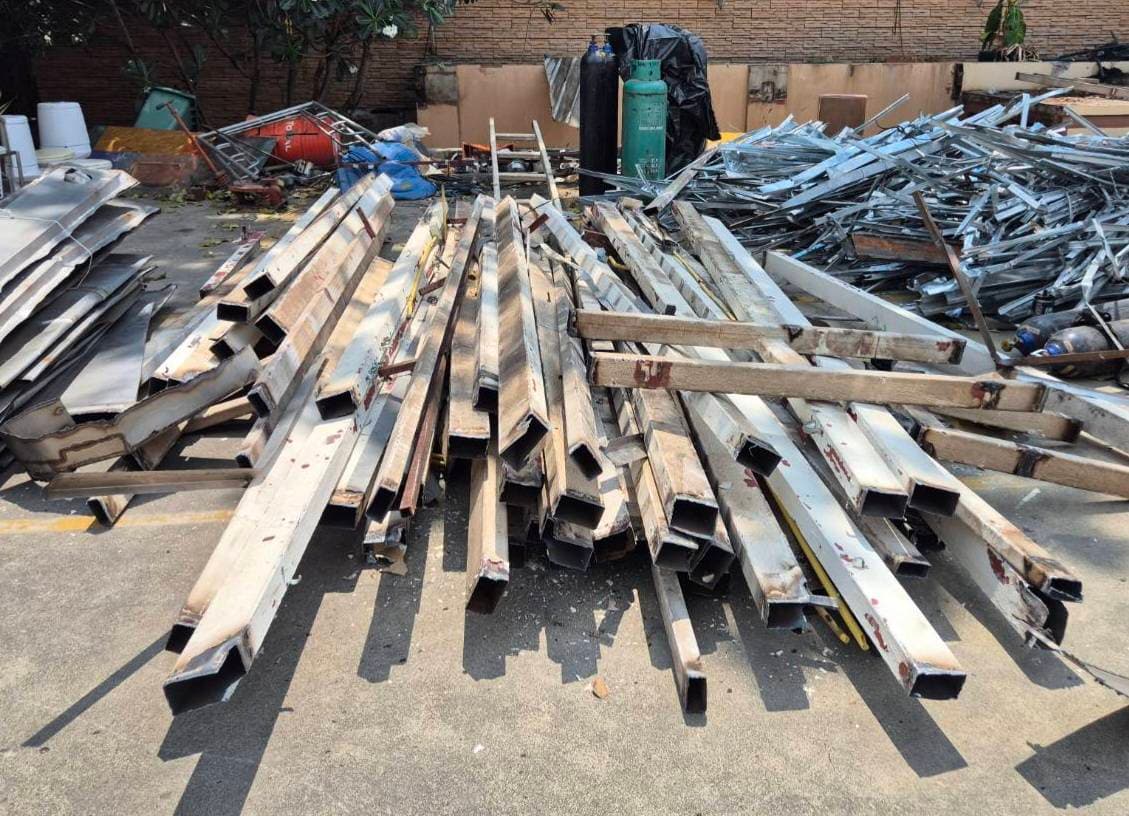
Reusability Assessment of Structural Steel in Existing Buildings

This study proposes a mixed-methods framework—combining Nondestructive Testing (NDT), Destructive Testing (DT), and expert surveys—to standardize the reusability assessment of structural steel. Validated on a 19-year-old, 1,900 m² warehouse in Thailand, NDT revealed structural irregularities caused by environmental wear and aggressive demolition. Subsequent DT tensile testing (benchmarked against ASTM, TIS, and Eurocode 3) confirmed that five major structural sections retained standard mechanical properties, whereas slender cold-formed sections failed due to severe geometric thinning. Ultimately, this framework provides actionable guidelines to advance sustainable infrastructure and Circular Economy adoption in Thailand.